Firewall Zero Hour: Overcoming VR Apprehension
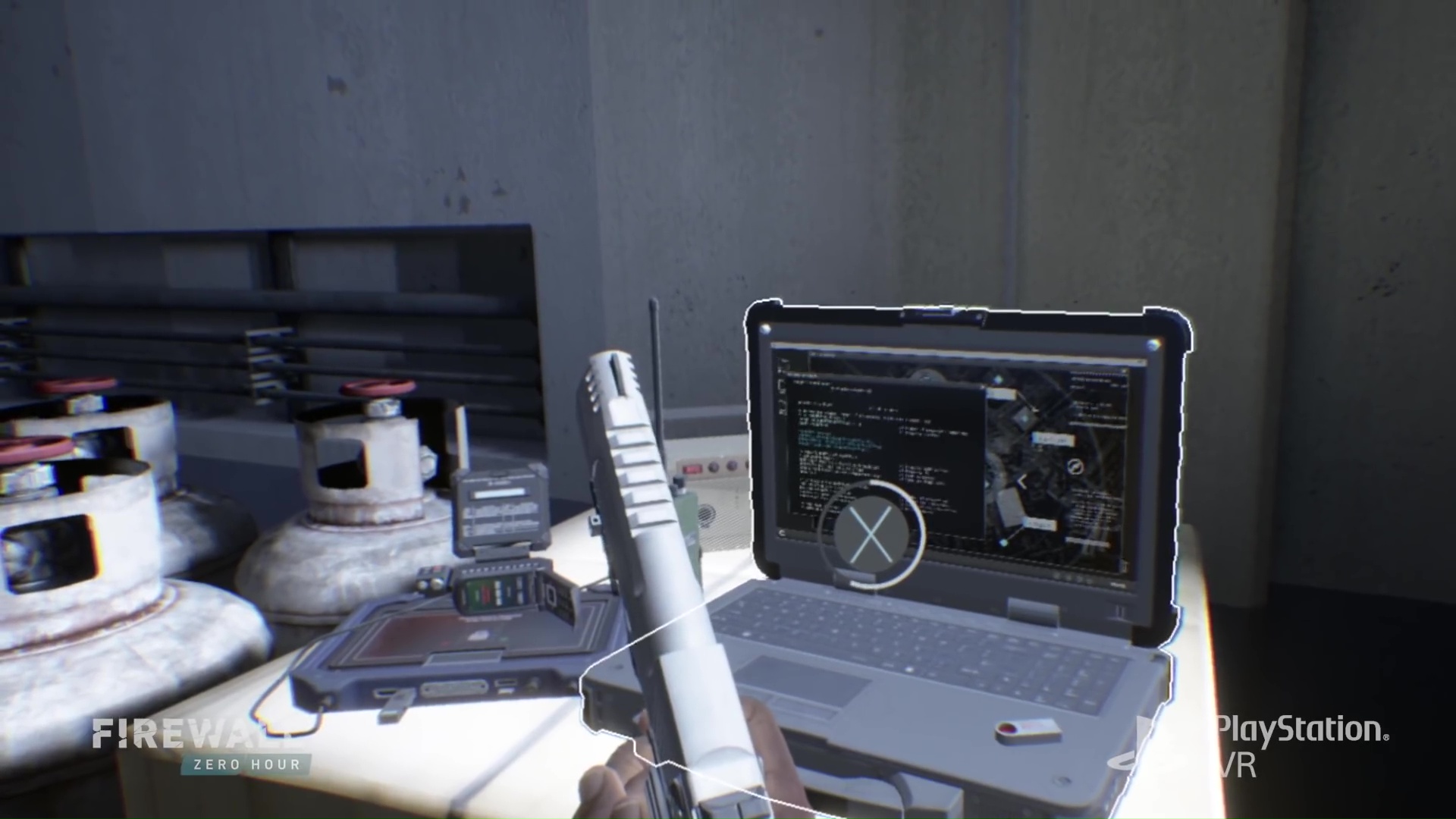
Recently, my PlayStation VR set has been stowed away in a cupboard, shielded by a cloth from gathering dust. It's not due to a lack of available content for Sony's Virtual Reality platform, but rather because a negative experience left me feeling queasy, losing my "VR Legs" along the way. However, I've been eyeing some Xbox games lately that might offer a different gaming experience altogether. Just the idea of putting on the VR headset made me anxious. So, with some apprehension, I decided to try out a first-person shooter game that involves free motion—a notorious trigger for motion sickness. To my pleasant surprise, Firewall Zero Hour turned out to be incredibly enjoyable, marking one of my most engaging VR experiences in a while and possibly the finest shooter on the platform. Thanks to VR's immersive quality, it shines brightly in the PlayStation VR game lineup. The premise is straightforward: players are part of a squad of military contractors assigned to either defend a laptop containing sensitive information or hack into it and extract the data. Attackers must locate and hack one of two access points on the map to reveal the laptop's location, while defenders must protect these points and the laptop itself.
Navigating Communication in Firewall Zero Hour
Effective communication is crucial; without it, failure is almost guaranteed. It's like navigating a game without a guidebook. Getting shot results in a brief window for teammates to revive you, but if that passes or you're hit again, you're out for the remainder of the match due to the permadeath feature. It's kind of like trying to buy Xbox games without an internet connection; you're just stuck waiting for a signal. Deceased teammates can provide intel by cycling through cameras, keeping them involved in the action. With every PSVR headset equipped with a microphone, there's no excuse for lack of communication. Surprisingly, the community is welcoming, perhaps due to the game's cost barrier, allowing for enjoyable experiences playing with strangers online without needing to mute anyone. While the concept may seem familiar from other games, Firewall Zero Hour truly distinguishes itself through its Virtual Reality implementation. While playing with a DualShock is an option, utilizing Sony's designated peripheral enhances the experience.
Streamlining Gameplay in Firewall Zero Hour
However, there's only one contract mode, a deliberate choice by the developer to avoid further fragmenting the already limited PSVR player base. It's akin to having just one mode when you're itching to explore a variety of gameplays. I do wish there were more options for customizing game settings. It's like wanting to fine-tune your gaming experience, whether you're looking to buy PS5 games or tweak the settings for maximum enjoyment. While lobbies typically fill up quickly, matches themselves are short, lasting a maximum of 5 minutes. Often, they're even shorter. After a match concludes, players are returned to the lobby, waiting for it to refill. This would be especially useful during times when lobbies struggle to fill up, leading to a repetitive cycle of joining games, realizing they're not full, and trying again. Additionally, as the game uses peer-to-peer hosting, players in regions like South Africa may encounter issues with lag, especially if they're the host, impacting the experience for international players joining their game.
Progression and Persistence in Firewall Zero Hour
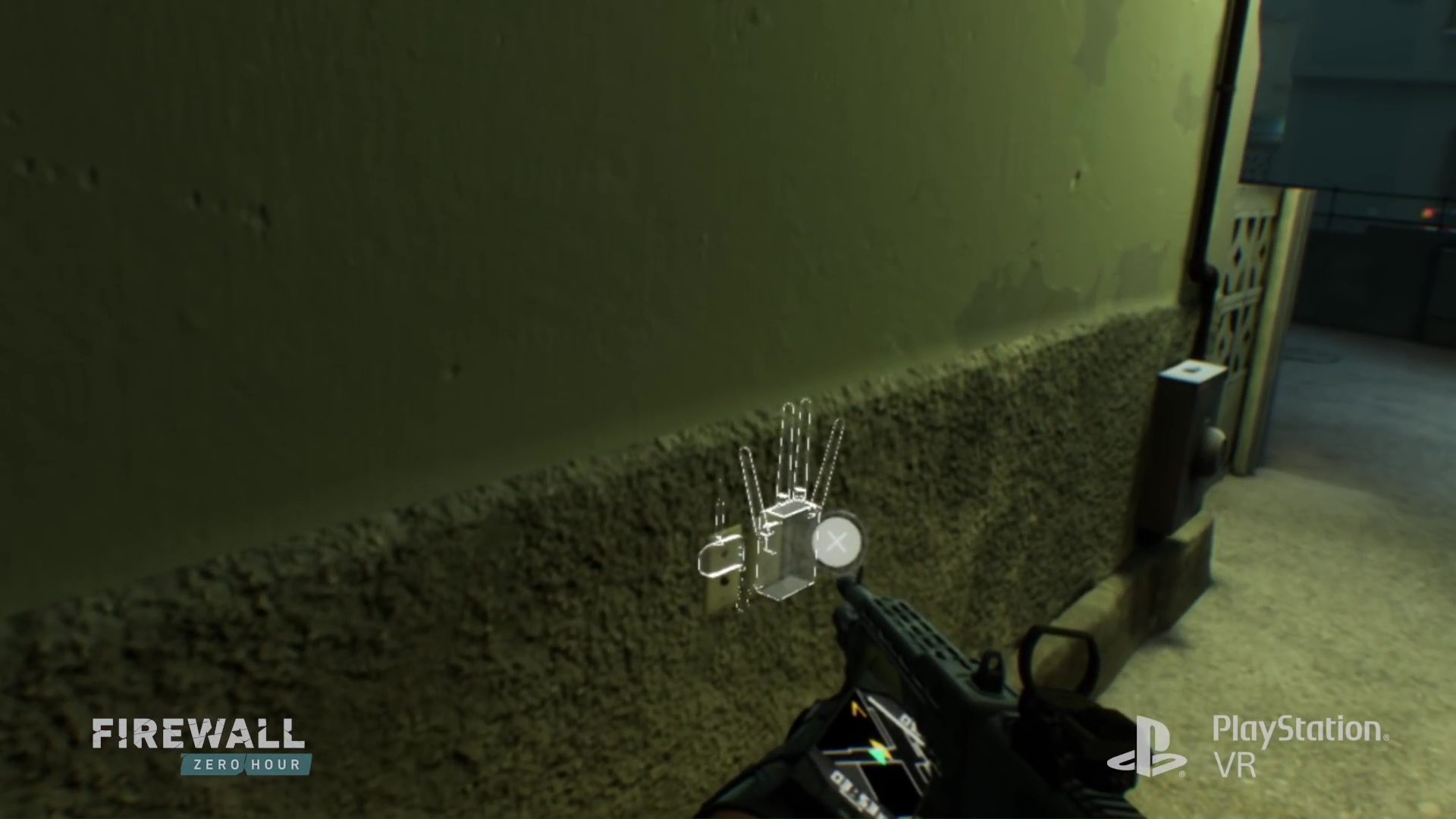
Apart from the primary online PvP mode, there's not much else to engage in, although there is a training mode available for solo or co-op play, pitting players against AI opponents. Fortunately, despite the limited modes, there's a satisfying sense of progression. However, some of the more desirable items, like signal jammers and door blockers, are locked until players accumulate enough experience and currency. Some items can be quite pricey, leading to a grind to obtain desired equipment. Motion sickness is surprisingly minimal, with VR anxiety initially posing a challenge but subsequent sessions proving comfortable.
Comments
Join the discussionNo comments yet. Be the first to comment.