Enhancing Virtual Reality: Firewall Zero Hour
Virtual Reality is still in its nascent phase, with developers grappling to discern the elements that make a VR game enjoyable, akin to the transition consoles underwent when embracing 3D environments. This exploration of new frontiers echoes the excitement gamers felt when they first ventured to buy Xbox games and experience the immersive worlds they offered. While some VR titles stand out for their uniqueness and quality, others merely rely on the novelty of virtual immersion. Enter Firewall: Zero Hour, crafted by First Contact Entertainment, which represents a pinnacle in VR gaming, offering an exhilarating experience that significantly enhances the appeal of PSVR, despite some remediable flaws. Let's clarify one aspect: yes, Firewall delivers an exceptional experience, but it transcends mere novelty. While many VR titles offer imaginative encounters, they often lack substantive depth. Firewall is distinct in this regard.
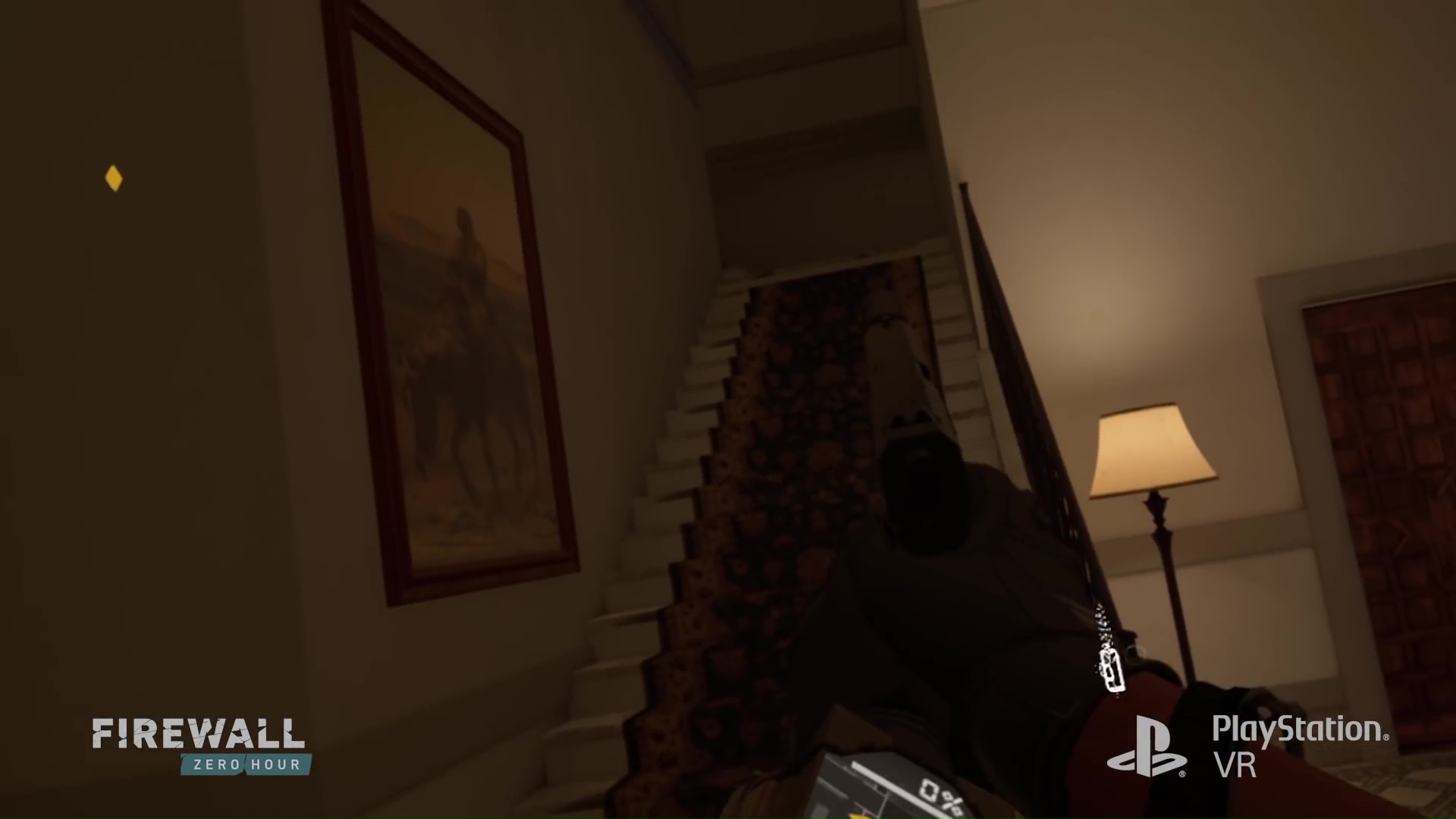
Tactical Immersion: Firewall Zero Hour
Firewall: Zero Hour stands as a tactical multiplayer VR shooter reminiscent of Rainbow Six Siege. In its primary online PvP mode, two teams of four players face off, one on offense and the other on defense. Much like the precision demanded when aiming in Rainbow Six Siege, wielding the aim controller in Firewall: Zero Hour enhances immersion and delivers a significantly more gratifying experience—almost like when you buy PS5 games and delve into the heart of virtual warfare. VR fundamentally alters typical first-person shooter tactics, allowing players to physically peek around corners or blind fire from behind cover. This adaptability has resulted in instances where I've successfully fended off rushing enemies or creatively maneuvered through engagements. The freedom to aim however one desires imbues a sense of liberation not commonly found in traditional first-person shooters; I've even found myself emulating Solid Snake by holding my assault rifle sideways on occasion.
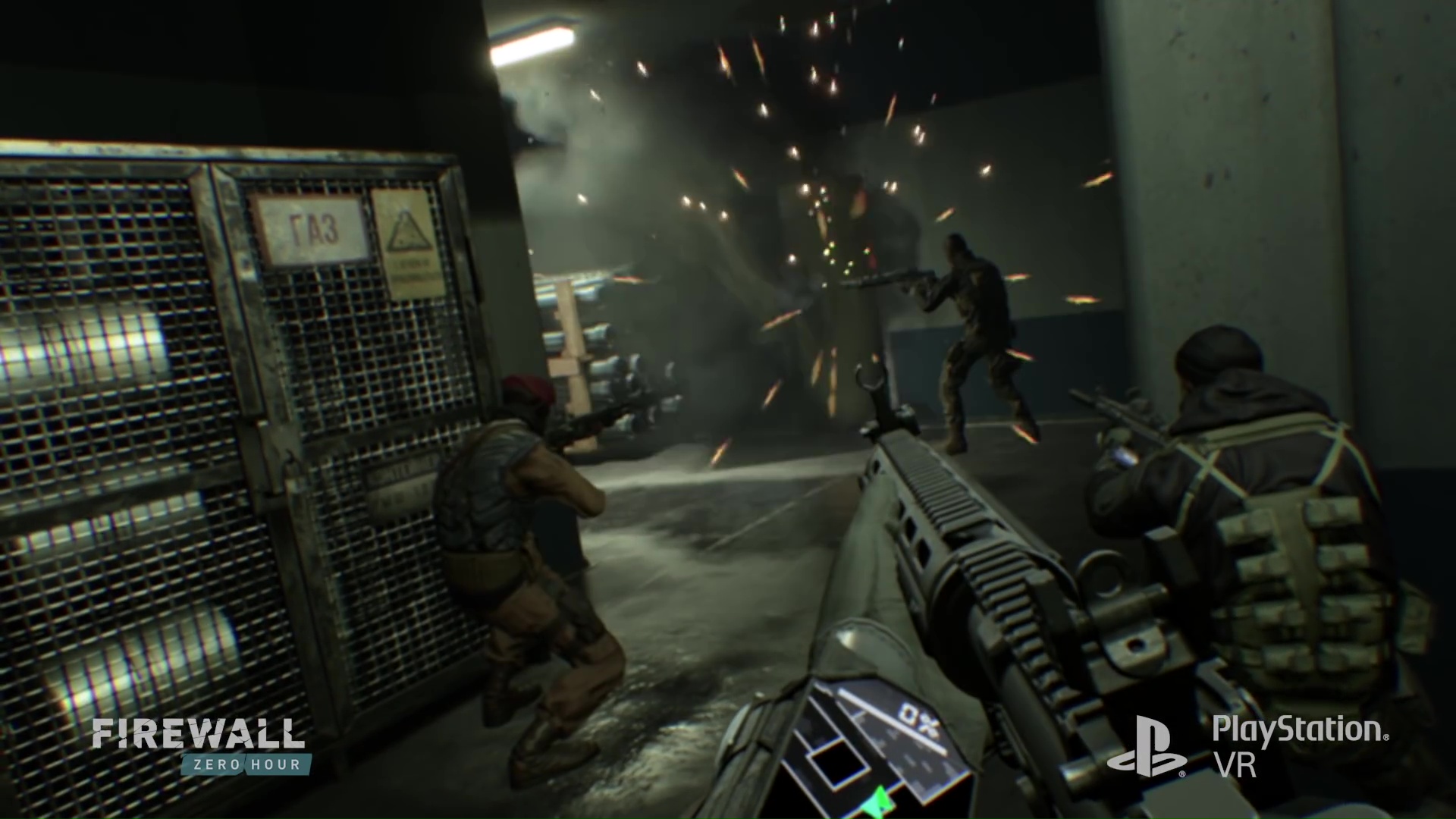
Uniting for Victory: Firewall Zero Hour's Collaborative Atmosphere
I'd estimate that roughly 75 percent of the games I've played feature team members actively communicating with each other, and remarkably, not once did anyone resort to toxic behavior or mention anything disparaging. It's a testament to the positive community ethos that thrives within these virtual realms, fostering camaraderie and teamwork reminiscent of the cooperative spirit often found when gamers gather to buy Xbox games and embark on shared adventures. In a gaming landscape often marred by toxicity, witnessing strangers come together online to collaborate towards victory is truly refreshing. However, despite the spectacular gameplay experience offered by Firewall: Zero Hour, actually getting into a PvP match can be quite frustrating. Initially, players are placed into eight-player lobbies where they can select their contractor (each with distinct abilities) or customize their loadout. Once the lobby is full, a countdown timer begins, starting at one minute.
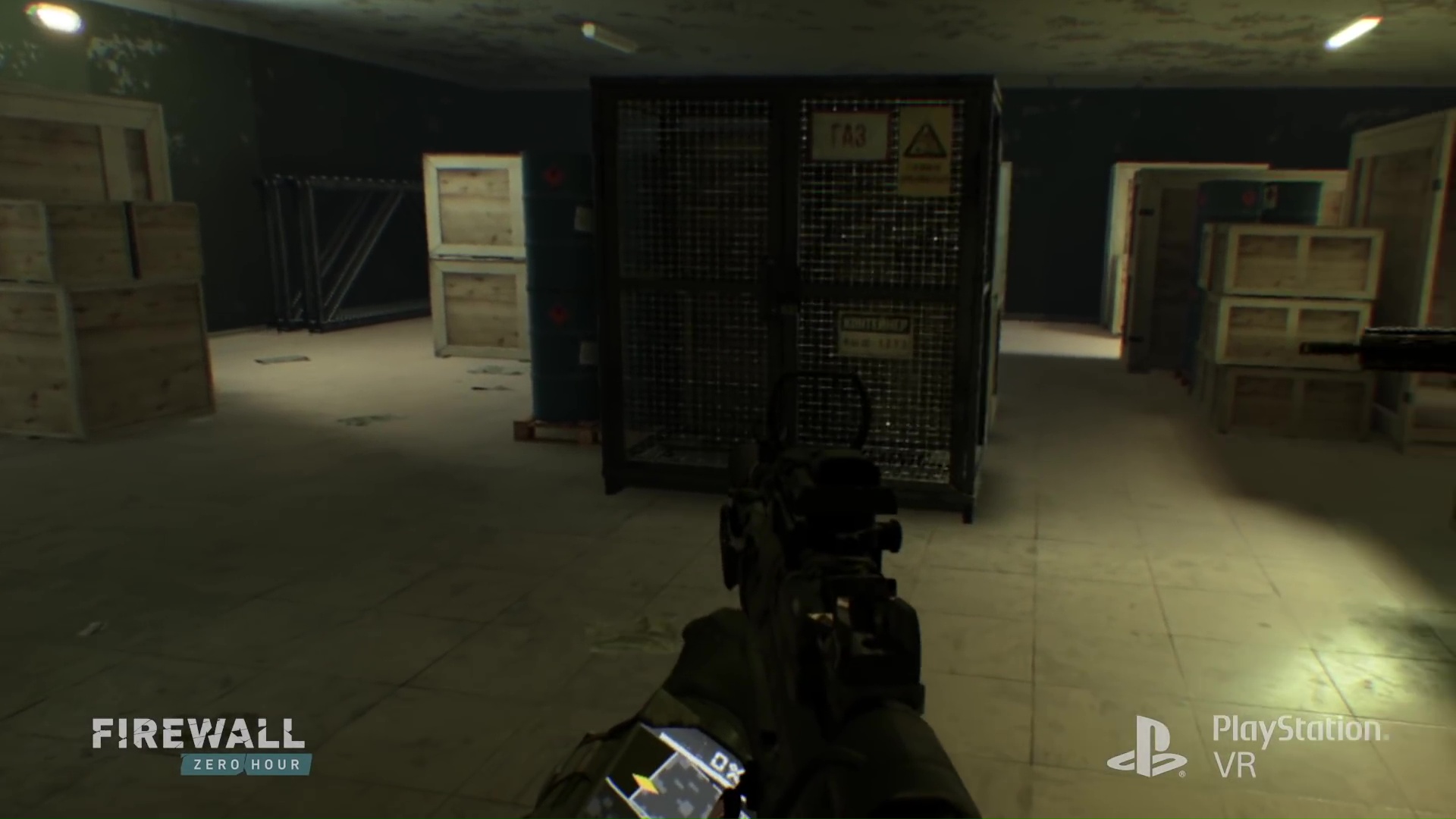
Navigating Challenges: Firewall Zero Hour's Gameplay Experience
Once the match kicks off, any disruption, like the host leaving, results in everyone getting booted due to the absence of host migration. Adding to the frustration, Firewall: Zero Hour lacks rounds; matches last a maximum of five minutes, often concluding well before that time elapses. After each match, players are returned to the lobby, where another minute-long wait ensues before the next round, provided the lobby remains intact or the host doesn't depart. Currently, most guns feature nearly identical attachments, rendering some purchases redundant. Take the flash hider, for instance, where each successive option offers better performance at a higher cost. Given the limited variety in weapon attachments, there's little incentive to opt for anything but the top-tier attachment. Rather than merely enhancing stats with each iteration, why not introduce different attachments for added diversity? Even the optic choices feel basic, limited to a red dot sight or what resembles a holographic sight. Introducing a scope with magnification capabilities for dealing with long-range threats would add depth to the arsenal customization.
Immersive Resilience: Embracing Firewall Zero Hour's Gameplay Brilliance
Despite these issues, I never threw in the towel. The gameplay is so engrossing and enjoyable that I simply learned to live with them. It's hard to overstate how seamlessly everything comes together in VR, immersing you directly into the heart of the action. Aiming down sights feels as natural and fluid as you'd expect; a slight tilt of your head, a raise of your gun—it's that intuitive. I always imagined that the transition to VR shooters like this would entail a steep learning curve in terms of movement and aiming. Yet, when you become the controller, everything falls into place effortlessly.
Comments
Join the discussionNo comments yet. Be the first to comment.